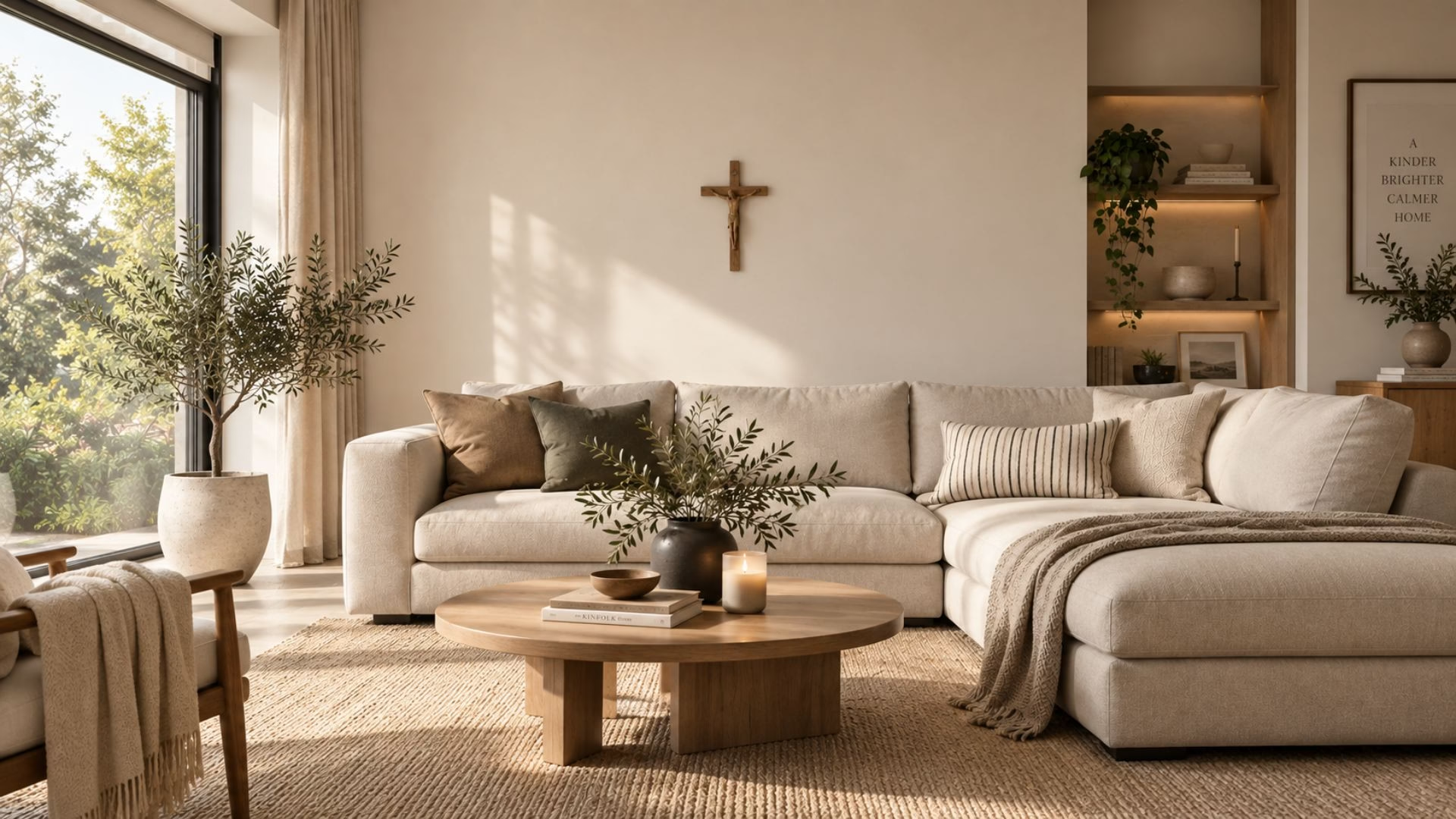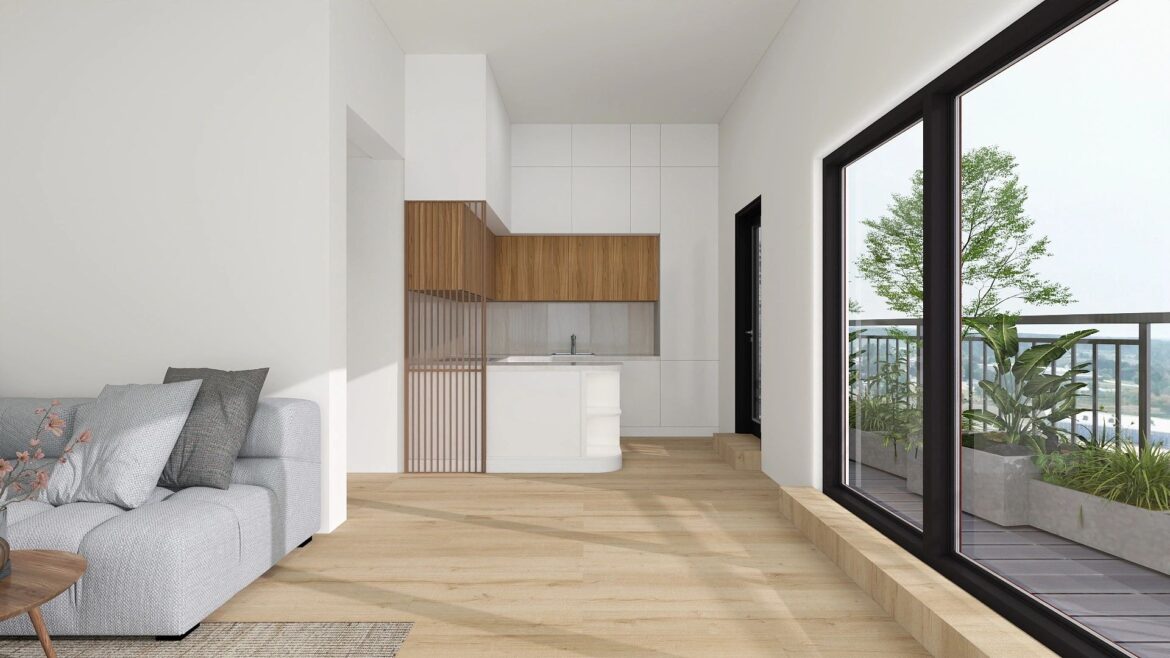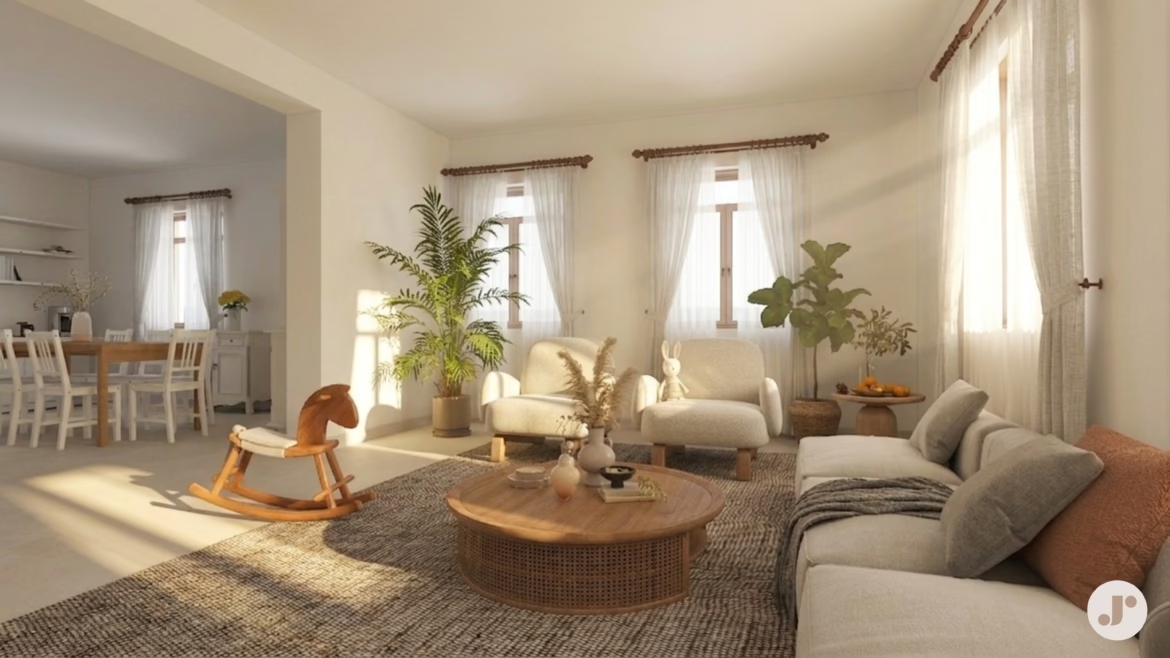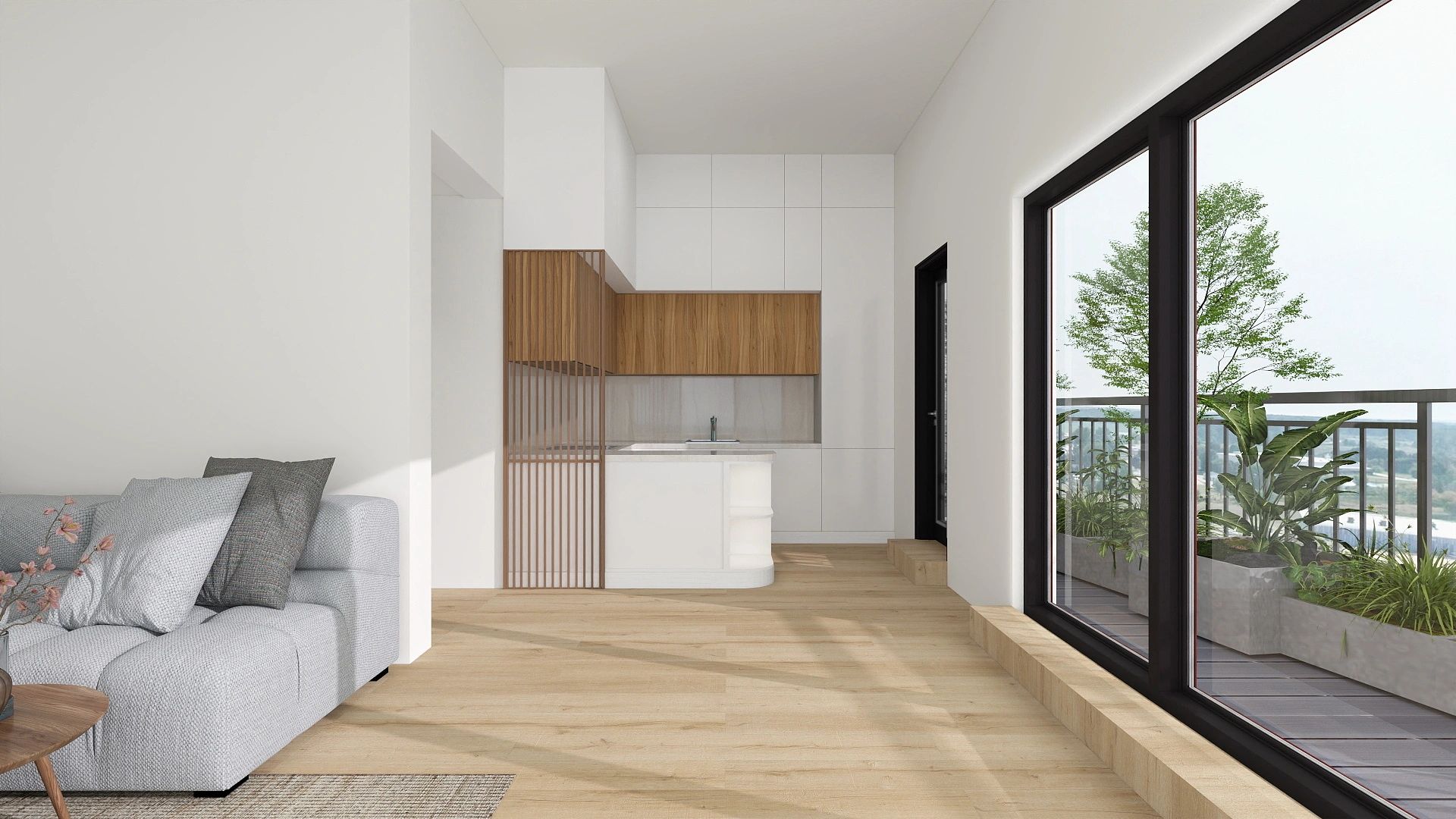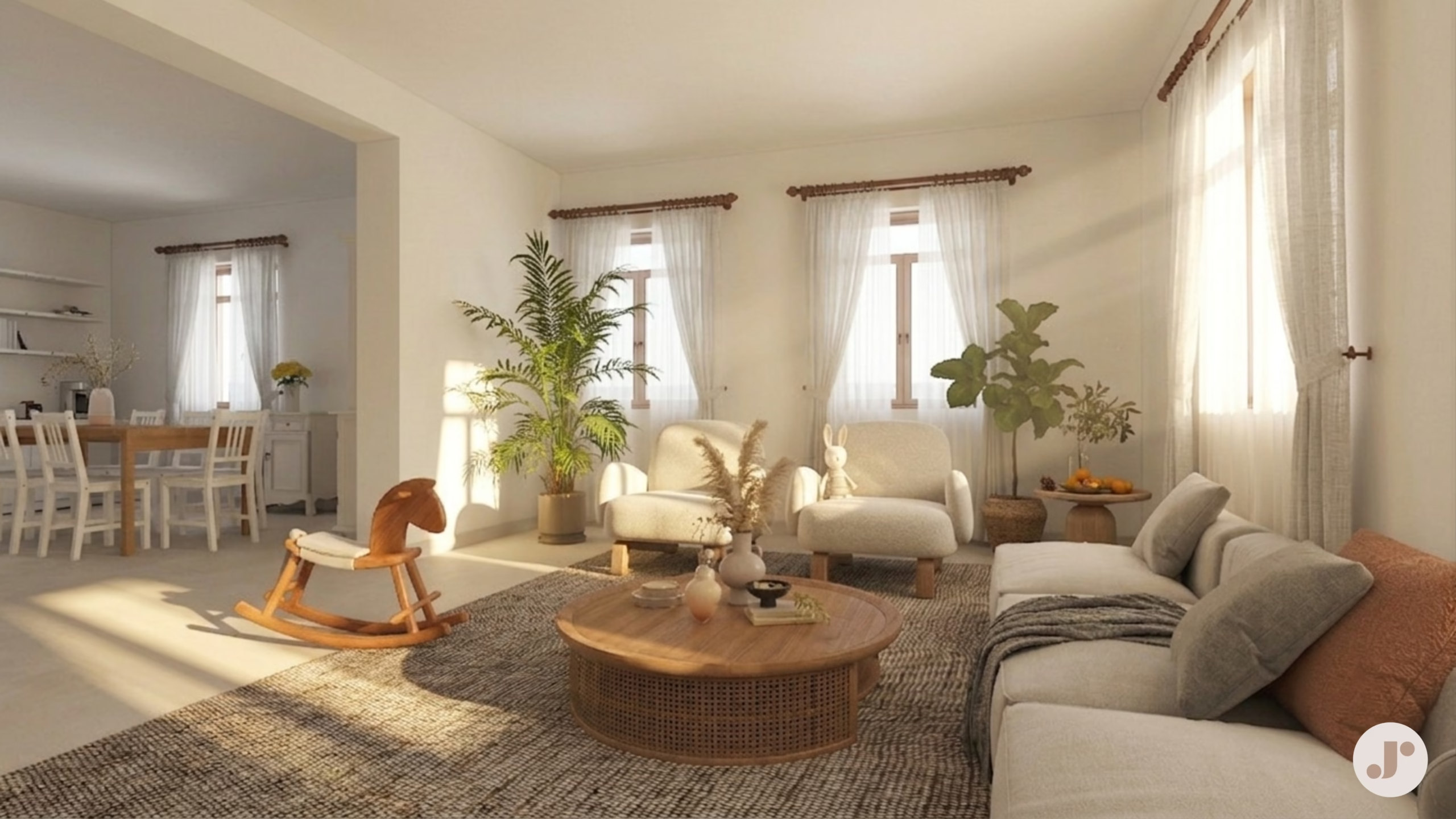
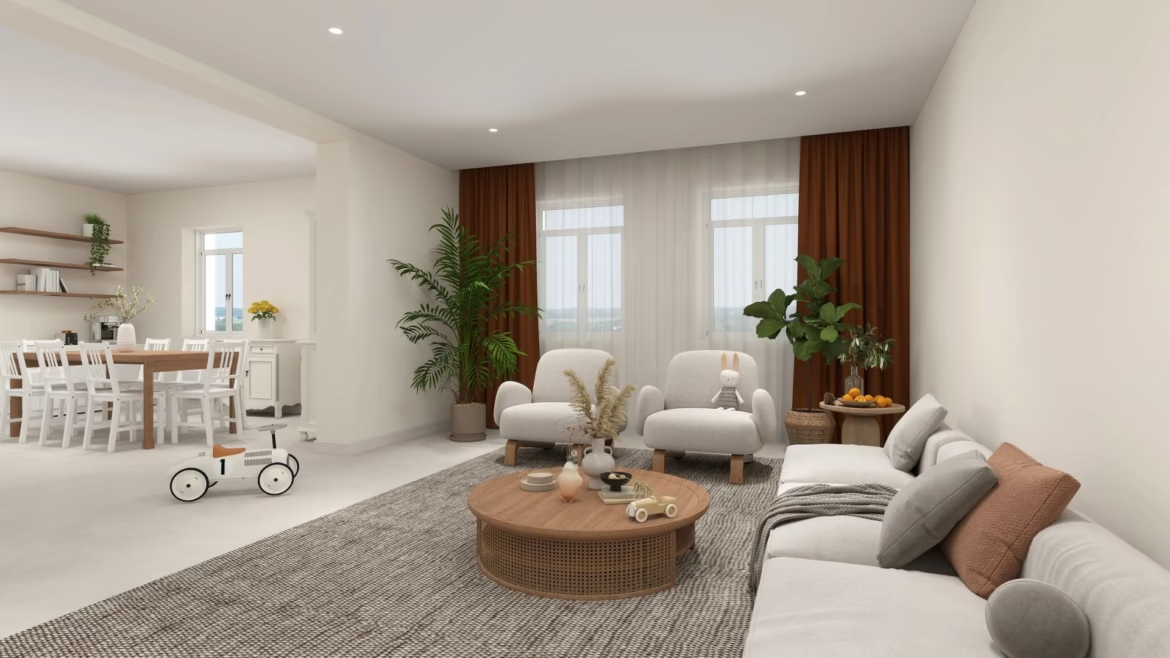
“The study of how people live, move, and connect in their homes.”
A New Way of Seeing Home
For years, I’ve been fascinated by the invisible forces that make some homes feel calm and alive — while others feel chaotic or stuck.
As a holistic designer with architectural background, I’ve always believed that design is more than colours and furniture. It’s a living system — one that shapes our mood, our routines, even our relationships.
That belief led me to develop Home Dynamics™ — a modern approach to interior design inspired by Feng Shui but grounded in real family life.
It’s the art and science of creating homes that flow beautifully and support real family living.
What Is Home Dynamics™?
Home Dynamics™ is the study of how people live, move, and connect in their homes.
It blends principles from architecture, psychology, and family living into a practical, human-centered framework.
Unlike traditional design, which often focuses on how a room looks, Home Dynamics™ focuses on how a home works and feels — how energy moves through it, how the layout supports your lifestyle, and how the atmosphere nurtures your emotions.
Through my 3F Home Dynamics Method™ — Flow, Function, Feeling — I help families design homes that don’t just look beautiful, but truly work for the way they live every day.
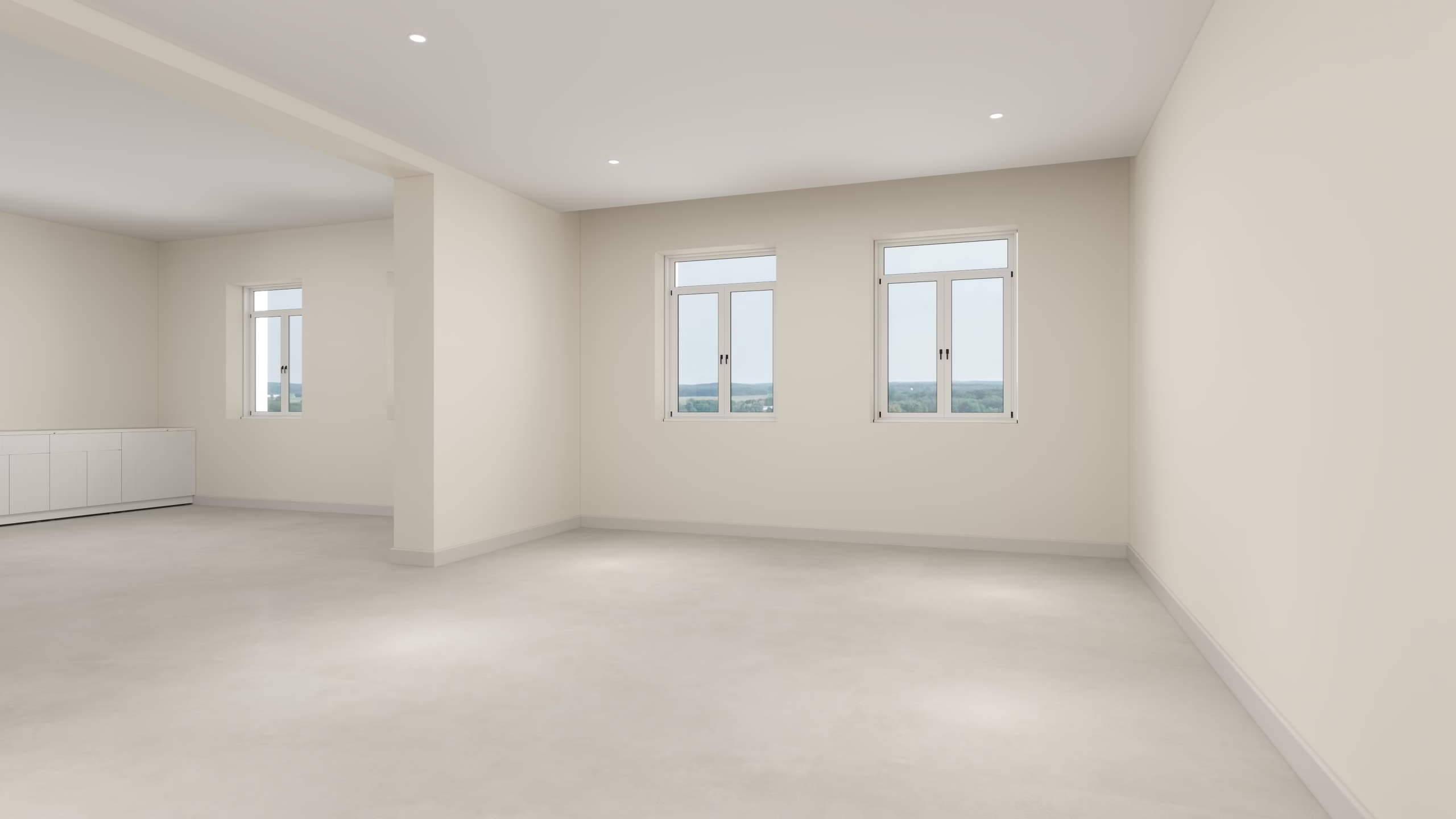
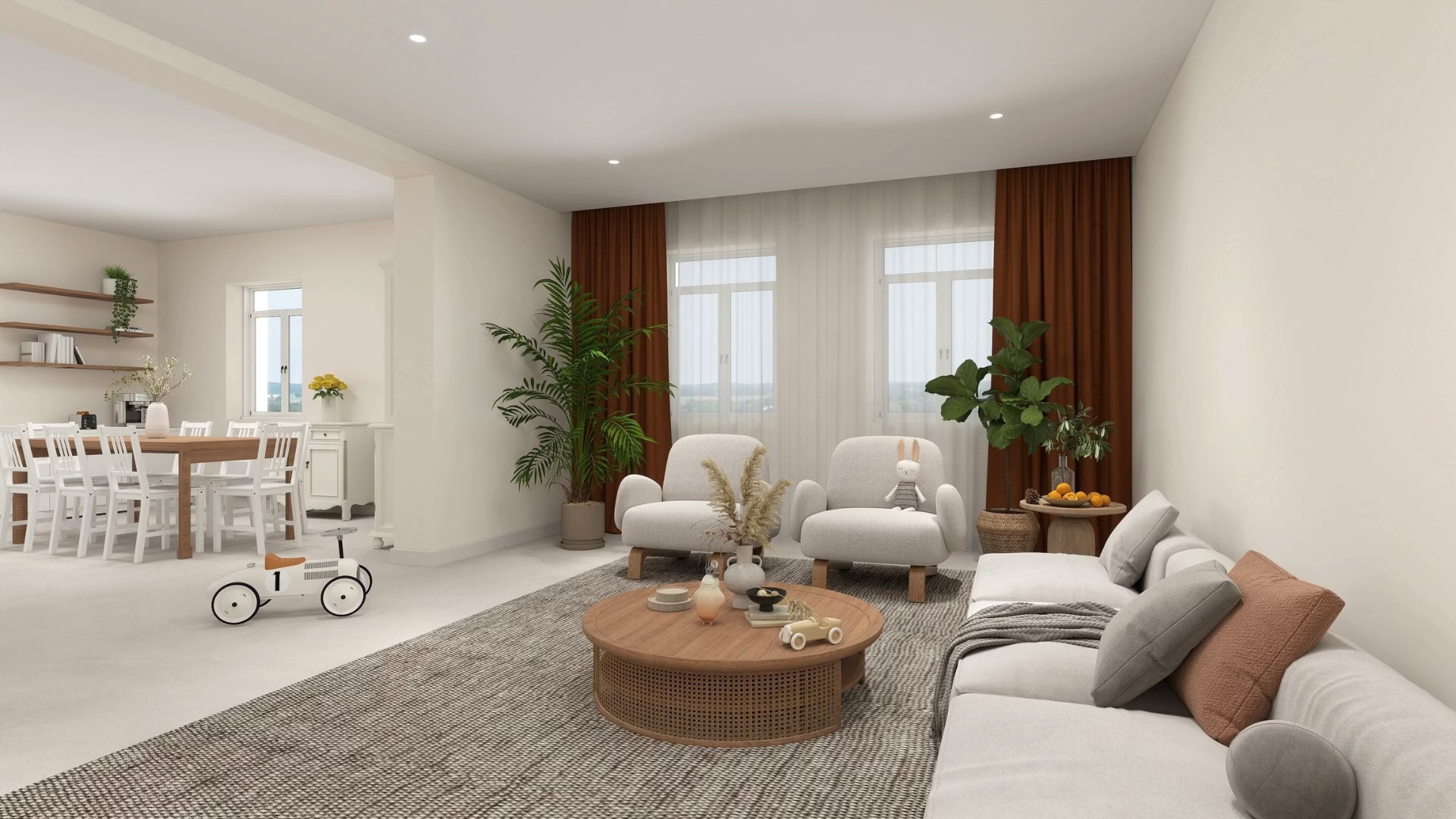
The 3F Home Dynamics Method™
1. FLOW — How energy (and people) move through the home
Flow is about movement and ease.
It’s the invisible rhythm that makes your home feel calm and open — or cluttered and stressful.
Think about your daily path through the house: where you enter, what you see first, how you move from one space to another. Even small details — like door alignment, circulation paths, or how clutter builds up — can shift how a home feels.
While Feng Shui has always explored energy flow, Home Dynamics™ translates that wisdom into modern design language. It’s not about superstition or symbolism — it’s about designing spaces that naturally guide movement and create balance.
Goal: Create effortless movement and calm energy.
Research by Riva et al. (2022) found that indoor environmental quality — such as light, ventilation, space, and layout — directly affects mental wellbeing.
According to Mental Health America, clutter and poor layout have been linked to increased stress, reduced focus, and a lower sense of control.
2. FUNCTION — How your home supports your family’s real life
This pillar focuses on purpose and practicality.
A beautiful space that doesn’t support your daily routines will never truly work.
In Home Dynamics™, we look at how each room serves your family:
- Where do kids play or do homework?
- Where do you rest or connect as a couple?
- How do you manage storage, work-from-home zones, or busy mornings?
Good design should make daily life easier — through thoughtful storage, multi-use furniture, and layouts that match how you actually live, not how a magazine photo looks.
Goal: Every space serves your family’s real needs beautifully.
Studies show that homes with low air quality, damp, inadequate storage, or layouts that don’t support daily life can negatively impact both physical and mental health. (NCBI, The Connection Between Health and Homes)
3. FEELING — The emotional tone of your home
Finally, we explore how your home makes you feel.
Colour, texture, scent, and light are powerful tools that shape your mood and energy.
Some rooms need calm and grounding; others need vitality and joy.
Through the lens of Home Dynamics™, we balance stimulation and relaxation so your home feels aligned with who you are — not just styled for Instagram.
Goal: A home that feels aligned with who you are.
As Michelle Ogundehin says: “Your home should support wellness like nutrition and exercise.” (The Guardian, 2021)
The Roots of Home Dynamics™: Feng Shui and Holistic Design
My journey into Home Dynamics™ began years ago when I studied Feng Shui and holistic interior design. You can read why I started in my personal story about why a beautiful home matters.
I loved how Feng Shui viewed the home as a living organism — with energy, emotions, and purpose. But I also saw that many traditional teachings didn’t always fit modern family life — especially in apartments or busy Western homes.
So I started blending that ancient wisdom with what I knew from architecture and psychology:
- How the brain reacts to visual clutter
- How light affects mood
- How spatial flow impacts relationships
Over time, these ideas evolved into a clear, modern system — Home Dynamics™ — that keeps the spirit of Feng Shui but grounds it in reality. It’s not mystical; it’s mindful. It’s about living design — homes that feel good and work well.
Research on home psychological attachment shows that how people feel and connect to their home is far more important than rigid layouts or universal rules. (Reznichenko et al., 2016)
How Home Dynamics™ Differs from Traditional Feng Shui
When I first studied Feng Shui, I loved its wisdom — the idea that our surroundings hold energy that can influence our lives.
But I also found parts of it difficult to apply in real homes.
Many traditional Feng Shui systems are based on strict rules — where your bed should face, which direction your door should open, what colours belong in each area.
In theory, it’s fascinating. But in real life — especially in modern homes, apartments, or rental spaces — these rules can feel impossible to follow.
I remember feeling more stressed than supported because I couldn’t do everything “right.”
It started to feel like a spell that worked backwards — instead of bringing peace, it created pressure.
And when I shared ideas online, I even saw how people could argue fiercely about what was “proper” Feng Shui, missing the point that design should nurture, not judge.
That’s why I created Home Dynamics™ — a more compassionate, flexible approach.
It keeps the spirit of Feng Shui — balance, energy, and flow — but removes the fear and rigidity.
Because every family is different, every home is unique, and your environment should support you, not blame you for not fitting into ancient rules.
In Home Dynamics™, we don’t force your space to meet rules — we design rules that fit your space.
The goal is not perfection, but harmony: helping your home work beautifully for your real life, exactly as it is.
Why Home Dynamics™ Matters
Your home is not just a backdrop to your life — it’s an active participant in it.
Every doorway, colour, and corner affects how you move, think, and connect with others.
When you align Flow, Function, and Feeling, your home becomes a true ally — supporting your goals, calming your mind, and giving your family space to thrive.
That’s the essence of Home Dynamics™ — a living design philosophy for modern family homes.
Designing your home isn’t about chasing perfection — it’s about creating harmony between how your space looks, works, and feels.
When you start paying attention to the dynamics of your home, everything begins to shift — from your daily routines to your emotional well-being.
Because a well-designed home doesn’t just change how your space looks.
It changes how you live in it.
Further Reading & Research on Home Dynamics™
If you’d like to explore how our homes shape wellbeing and everyday life, here are some studies and insights that inspired my Home Dynamics™ framework:
Riva, Rebecchi, Capolongo, & Gola (2022). Can Homes Affect Well-Being? International Journal of Environmental Research and Public Health. Read here →
National Academies of Sciences. The Connection Between Health and Homes.
Read here →
Mental Health America. Creating a Healthy Home Environment. Read here →
VeryWellMind. How Your Environment Affects Your Mental Health. Read here →
Ogundehin, M. Forget trends — do what makes you feel good: how to style a happy home. The Guardian, 2021. Read here →
Reznichenko, Nartova-Bochaver & Kuznetsova (2016). Home Environment as a Factor in Maintaining Mental Health. Read here →