The questions every family should answer before spending a single pound on a new sofa, bed, or bookcase.
The Costly Truth
You’ve bought things that didn’t work. We all have.
“The sofa looked perfect online. But the moment it arrived, we knew. It blocked the light. It made the room feel smaller. And we couldn’t return it.”
This is the story I hear from families over and over. A beautiful rug that made the room feel chaotic. A wardrobe that doesn’t fit the wall it was meant for. A dining table that leaves no room to pull the chairs out properly. Every single one of these mistakes could have been avoided with a simple room planning checklist.
It’s not a shopping problem. It’s a planning problem.
We live in a world of endless inspiration — Instagram, Pinterest, showroom visits — but almost no-one shows you how to know, with certainty, whether something will actually work in your specific room before you buy it.
That’s what this room planning checklist is for. Go through it honestly before you spend another penny. And if it reveals that you need proper help — I’ll tell you exactly where to get it.
Before You Buy
The 3D Room Planning Checklist
This room planning checklist has 10 questions. If you answer “no” or “not sure” to more than three, you’re not ready to buy — and buying anyway is where the expensive mistakes happen.
1. Do you have accurate measurements of the room — including doors, windows, and alcoves?
Not approximate. Actual measurements. The difference between 210cm and 215cm can mean a sofa won’t fit around a corner or a bed blocks a radiator entirely.
2. Do you know how your family moves through this room every day?
Where does everyone walk when they come in? Where do bags, shoes, and coats land? Where do the kids naturally play? The traffic flow in your home is invisible until furniture blocks it — and then it drives you mad.
3. Have you planned your zones — not just your pieces?
A room that works has clear areas: somewhere to sit, somewhere to store, somewhere to focus, somewhere to connect. If you’re choosing a sofa without knowing where the “sitting zone” begins and ends, you’re guessing.
4. Do you know what you’re keeping, and what needs to go?
New furniture placed alongside furniture that doesn’t serve you creates visual noise. A calm room starts with knowing what belongs there — before anything arrives.
5. Have you checked the proportions — not just the dimensions?
A piece can fit in the room and still make it feel wrong. Scale matters enormously. A sofa that’s technically the right length but sits too high can make a low-ceilinged room feel claustrophobic.
6. Can you visualise the finished room — or are you still guessing?
This is the honest one. Can you close your eyes and see clearly how the room will feel when it’s done? Or are you hoping it’ll come together? Hope is not a design strategy.
7. Do you know where the light falls — and how it’ll change what you buy?
A fabric that looks warm and neutral in a showroom can read cold and grey in a north-facing room. A dark piece can anchor a bright room or swallow a dim one. Light is everything, and it’s specific to your home.
8. Have you planned for storage — really planned for it?
The clutter you’re living with isn’t a tidying problem. It’s usually a storage design problem. Do you know exactly what needs to be stored in this room, and does your plan accommodate it?
9. Will your choices still work in two years — when the kids are bigger, or life looks different?
Good design is practical design. A beautiful room that doesn’t fit your actual life in 18 months isn’t a success. Have you designed for where you’re going, not just where you are?
10. Do you feel calm and certain — or anxious and unsure?
Your gut knows. If buying feels stressful and uncertain rather than exciting and clear, that’s important information. It’s not nerves about spending money. It’s your instinct telling you the plan isn’t solid enough yet.
The Real Cost
What does a wrong furniture decision actually cost?
Let’s be honest about the numbers. Families I work with typically spend between £2,000 and £8,000 furnishing a single room. A significant sofa, a quality dining table, a wardrobe, a rug, lighting — it adds up fast.
£4,000+
The average amount families spend furnishing one room — often without a plan. Replacing just one wrong decision can cost hundreds.
A wrong sofa: thousands.
The piece that doesn’t work doesn’t just sit there looking wrong. It takes up space that could be used well. It creates visual noise that makes the whole room feel unsettled. And it quietly saps your energy every time you walk in.
This is why I think of proper planning not as a cost — but as protection. Get the plan right, and every pound you spend on furniture is a pound well spent.
❌ Without a plan
Buy things that look right in photos. Rearrange six times. Realise the layout doesn’t work. Buy again. Room still feels wrong. Spend £200 on accessories hoping they’ll fix it. They don’t.
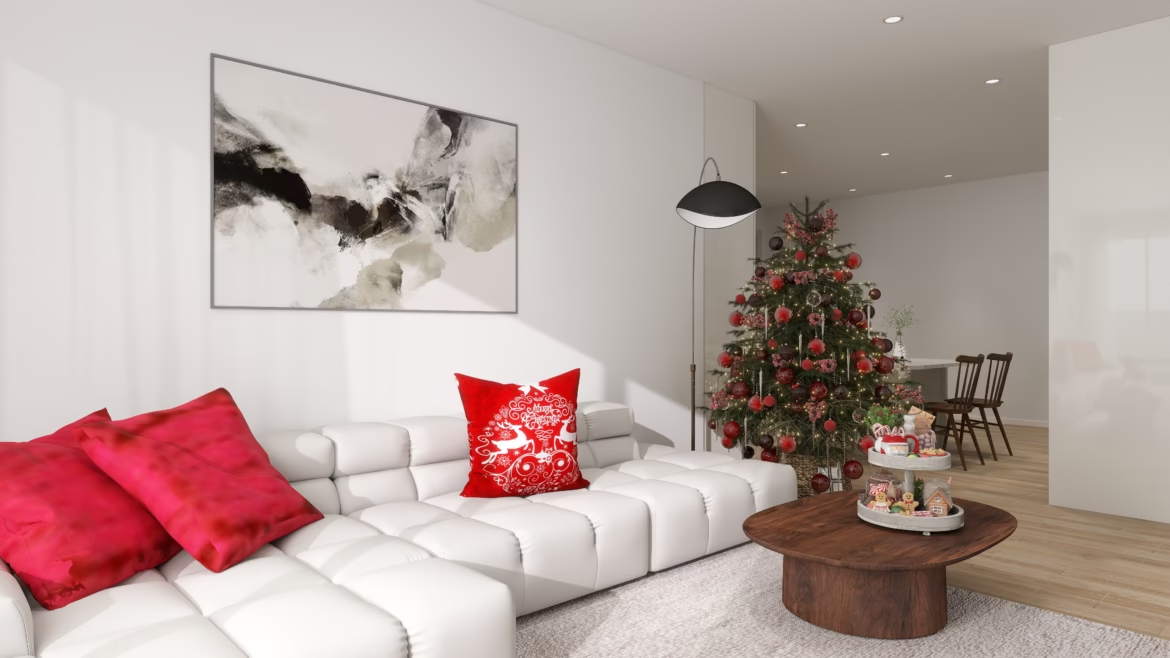
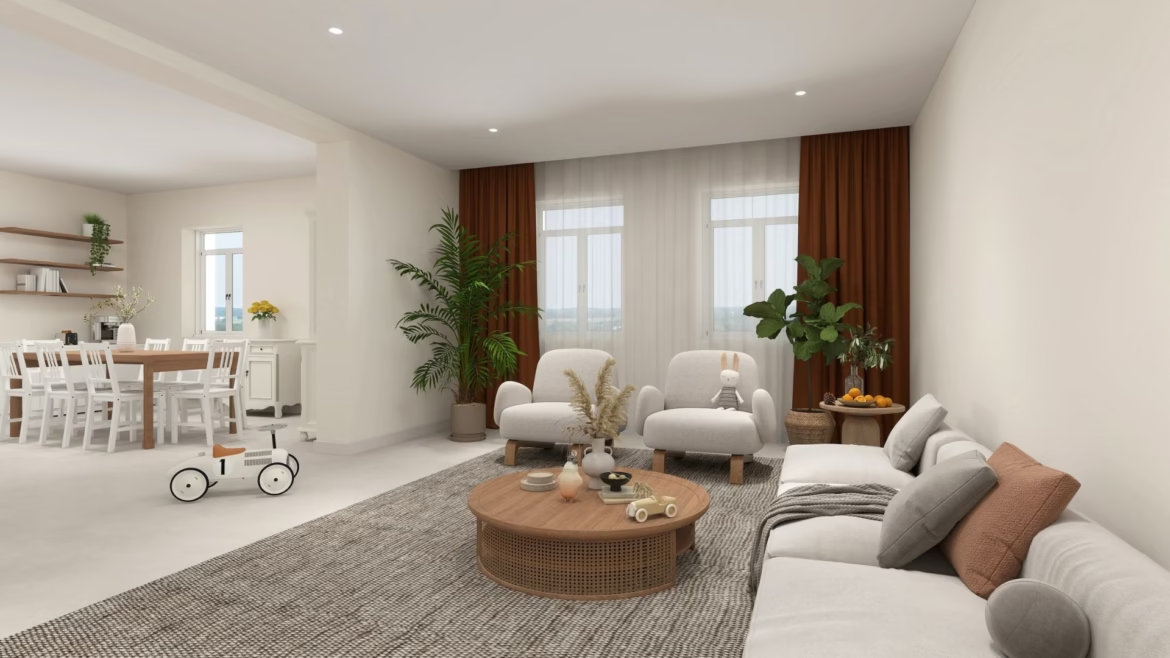
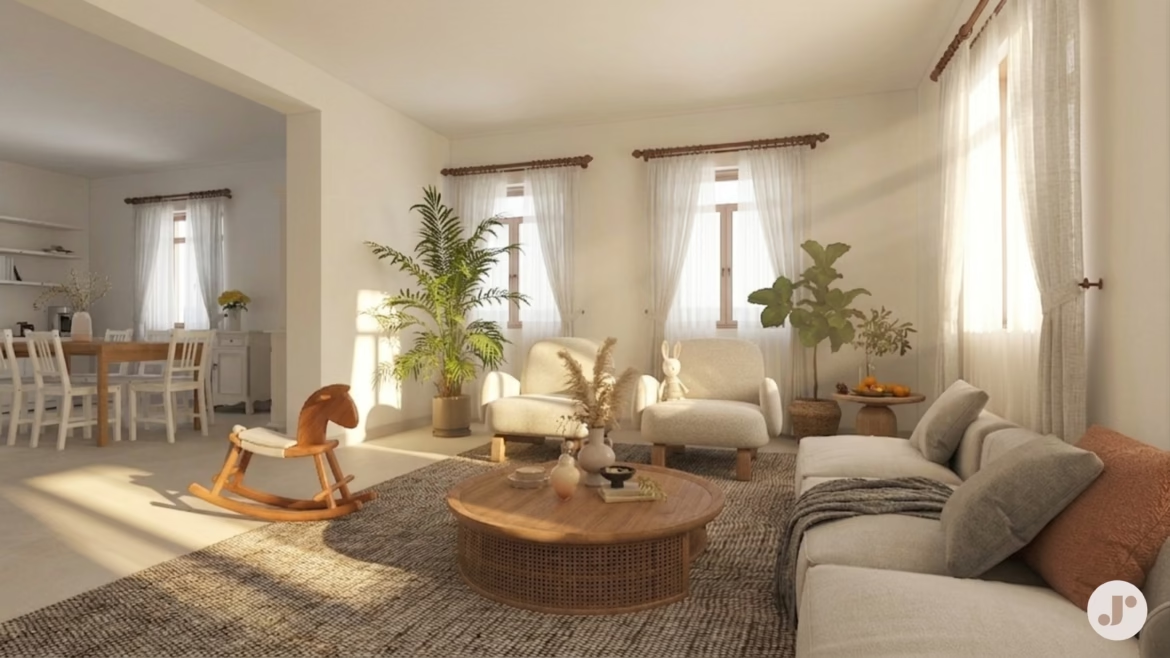
✅ With a 3D plan
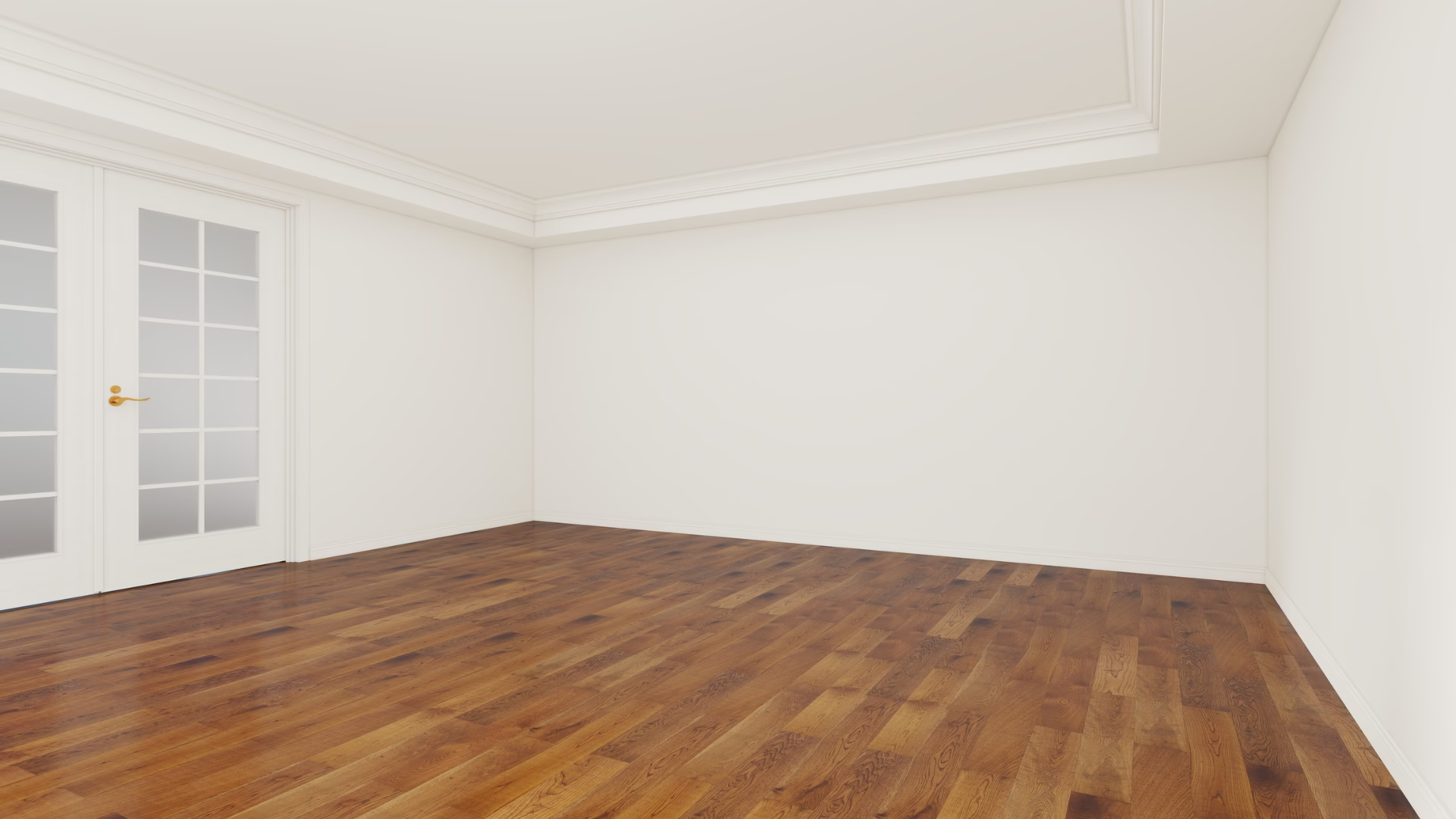
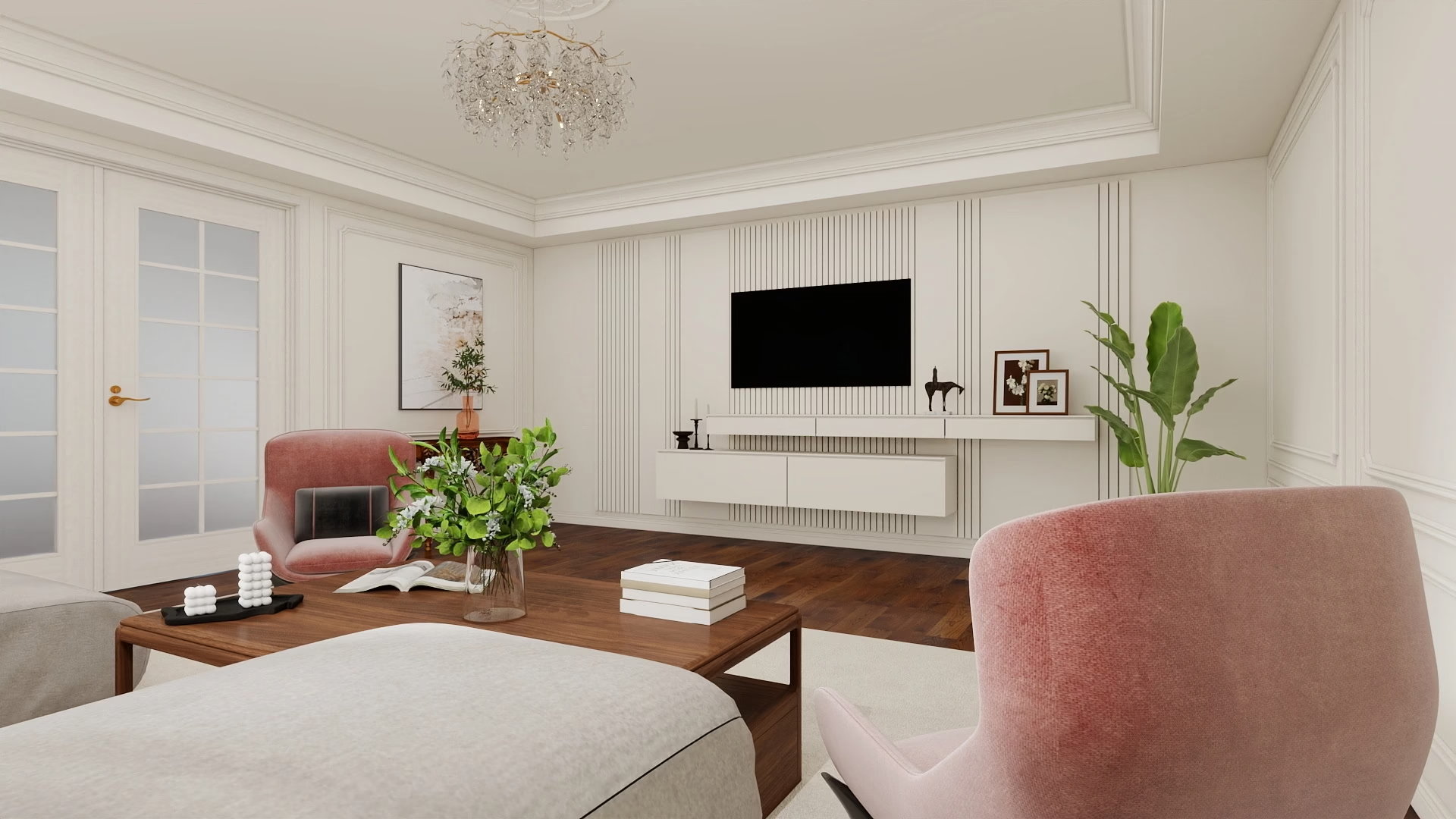
See exactly what fits, where it goes, and how it flows — before you buy anything.
Every decision is certain. You buy once. The room works from day one.
What To Do Now
If you answered “not sure” more than once…
Please don’t buy anything yet. I mean that kindly and completely seriously.
The feeling of “I’ll just try it and see” almost always leads to the call I get a few months later — the sofa is wrong, the layout doesn’t flow, the room still doesn’t feel right, and now there’s a budget problem too.
You don’t need more inspiration. You don’t need another scroll through Pinterest. What you need is a proper room planning checklist — and then someone to turn that plan into a clear 3D layout designed around the way your actual family lives.
That’s exactly what I do.
“Julie stopped the guessing and saved us from wasting money. I finally felt calm and confident making decisions.”
Tereza, mum of 1
I’m an interior designer with a background in architecture. My Home Dynamics™ method combines professional space planning with detailed 3D visualisation — designed specifically for real family homes. Not showroom perfection. Your life, your routines, your children, your mess, your mornings.
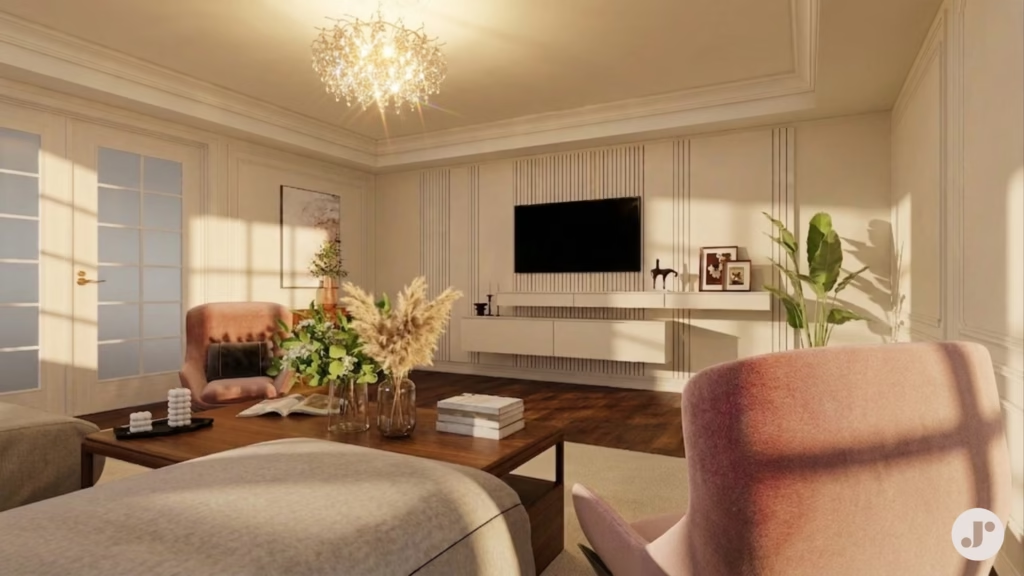
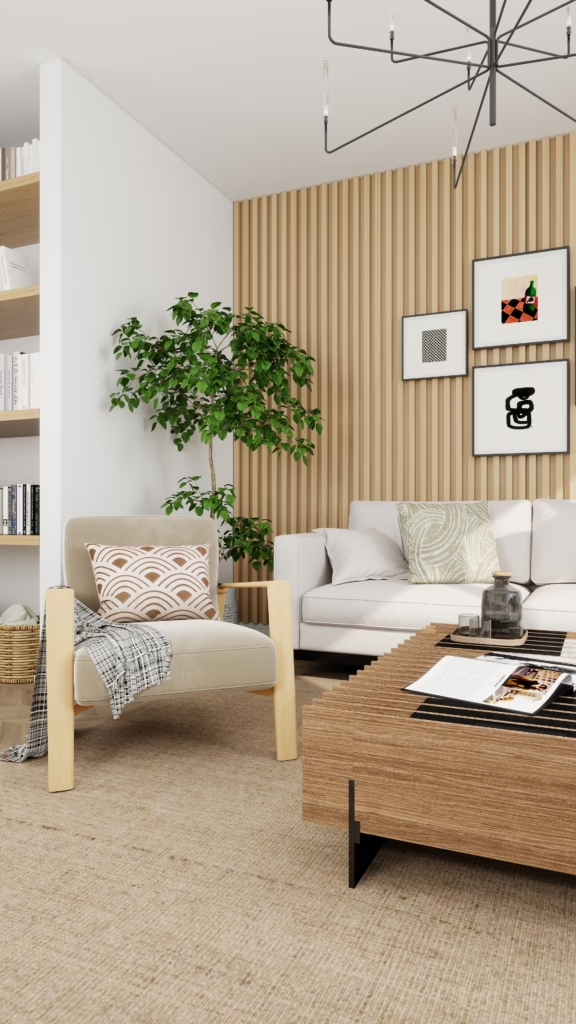
Within 5 working days, you’ll have 2–3 layout options and a clear 3D visual of your room — showing you exactly what fits, where it goes, and how every zone works together. No guesswork. No hoping. Just a clear plan you can buy from with confidence.
Home Dynamics™ 3D Room Plan
Ready to stop rearranging and finally
feel settled?
One professionally designed room. To-scale layout. Photoreal 3D visuals. Delivered within 5 working days.
£497
One room · Personal design review · Invoice sent only after I confirm your project is a good fit
No pressure. No automatic charge. Personally reviewed by Julie.
A Final Note
You deserve a home that feels like support.
Not another project on your list. Not something that drains you. A home that holds your family — with calm, with function, with beauty that actually works.
This room planning checklist is a starting point. But if what you really need is someone to take this off your hands entirely — to look at your room, understand your family, and show you exactly what to do — I’m here.
— Julie